
Guides
Straight answers to the questions people ask before hiring a cleaner in Ireland, with the official sources linked.
Prices and money
End of Tenancy Cleaning Cost in Ireland (2026 Prices by Bedroom)
Advertised end of tenancy cleans we checked in October 2026 ranged from €240 to €295 for a one-bed up to €440 to €618 for a five-bed. The gap is mostly about what is included, such as the oven and exterior windows.
How Much Does a Deep Clean Cost in Ireland? (2026 Prices)
Advertised deep clean prices we checked in October 2026 started at €120 to €240 for a one-bed and €250 to €320 for a three-bed, with €450 listed for five bedrooms. Final quotes depend on condition and extras.
How Much Does a House Cleaner Cost in Ireland? (2026 Prices)
Advertised rates we checked in October 2026 run from about €16 to €22 an hour outside Dublin and €21 to €28 in Dublin, usually with a two-hour minimum. Some companies charge €25 to €35 an hour.

Is a Cleaner Worth It? The Real Cost in Ireland and Cheaper Options
For many households, yes, if the hours you free up matter more than the cost. A three-hour fortnightly clean at advertised October 2026 rates works out at roughly €1,250 to €2,200 a year, depending on where you live.
Should You Tip Your Cleaner in Ireland? Tips, Bonuses and Pay Rises
Tipping a house cleaner in Ireland is optional and there is no official or surveyed norm. One cleaning company's practical suggestion for a regular cleaner is a Christmas gift of about one visit's cost, with a fair rate the rest of the year mattering more.
Hiring and trust
20 Questions to Ask a Cleaner Before You Hire Them
Ask about the price and what it includes, who will actually come, insurance and employment status, how keys are handled, and what happens if a visit is missed or something gets damaged. The answers tell you more than any badge on a website.
Can You Garda Vet a Cleaner in Ireland? What Householders Can Do
No. Garda vetting only runs through registered organisations for work involving children or vulnerable people, so you cannot vet a cleaner yourself. Ask what any vetting claim refers to, and rely on references, a trial clean and clear arrangements instead.
Cleaner Broke Something or Did a Poor Job? What to Do in Ireland
Photograph the problem, write down what happened and raise it in writing quickly. A cleaning business must work with reasonable care and skill and should normally get a chance to put things right. Damage may go through insurance; missing items need a calm check first.
Cleaner Etiquette in Ireland: Stay Home, Tidy First, Tea or Not?
You do not need to stay home or leave, but stay out of the way if you are in. Do a quick tidy so the cleaner can clean rather than declutter, agree whether you are paying for hours or a task list, pay on time, and give feedback early and specifically.
Cleaner Insurance in Ireland: Who Is Covered If Something Goes Wrong?
If you use a company or self-employed cleaner, their public liability policy should cover damage or injury to others. If you employ a cleaner directly, check whether your home insurance covers domestic employees, because many policies have conditions and exclusions.
Cleaning Company or Independent Cleaner? Costs, Cover and Status
A company usually costs more but handles cover, staff and insurance, and you have consumer rights against a business. An independent cleaner is often cheaper and more personal, but check insurance and whether the arrangement makes you their employer.

Getting a Cleaner for a Very Messy Home, Without the Judgement
Cleaners see homes in every state, and asking for help is a practical step, not a confession. Describe the home plainly, ask for a longer first visit or a deep clean, agree what happens to your things, and check whether any part needs a specialist.
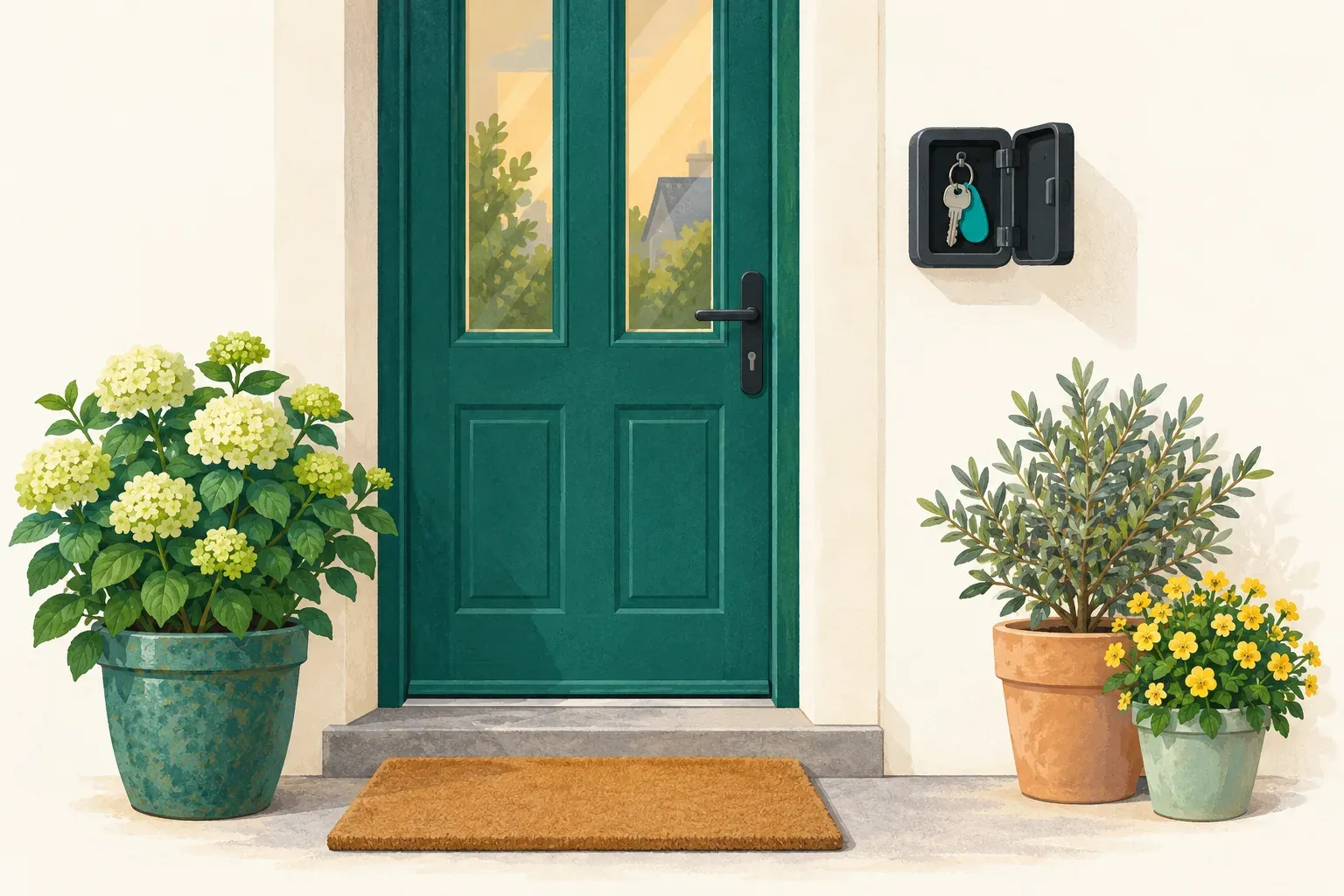
Giving Your Cleaner a Key: Keys, Alarm Codes and Key Safes
Giving a regular cleaner a key is common once trust is built over a few visits. Use an unlabelled key or a key safe, give the cleaner their own alarm user code, agree in writing who holds access, and get everything back or changed when the arrangement ends.
How to Choose a House Cleaner in Ireland: A Step-by-Step Guide
Write down what you need, shortlist two or three cleaners who serve your area, compare prices on the same scope, check references and insurance, then book one trial clean against a written task list before agreeing regular visits.
Preparing for Your First Cleaner Visit: A Practical Checklist
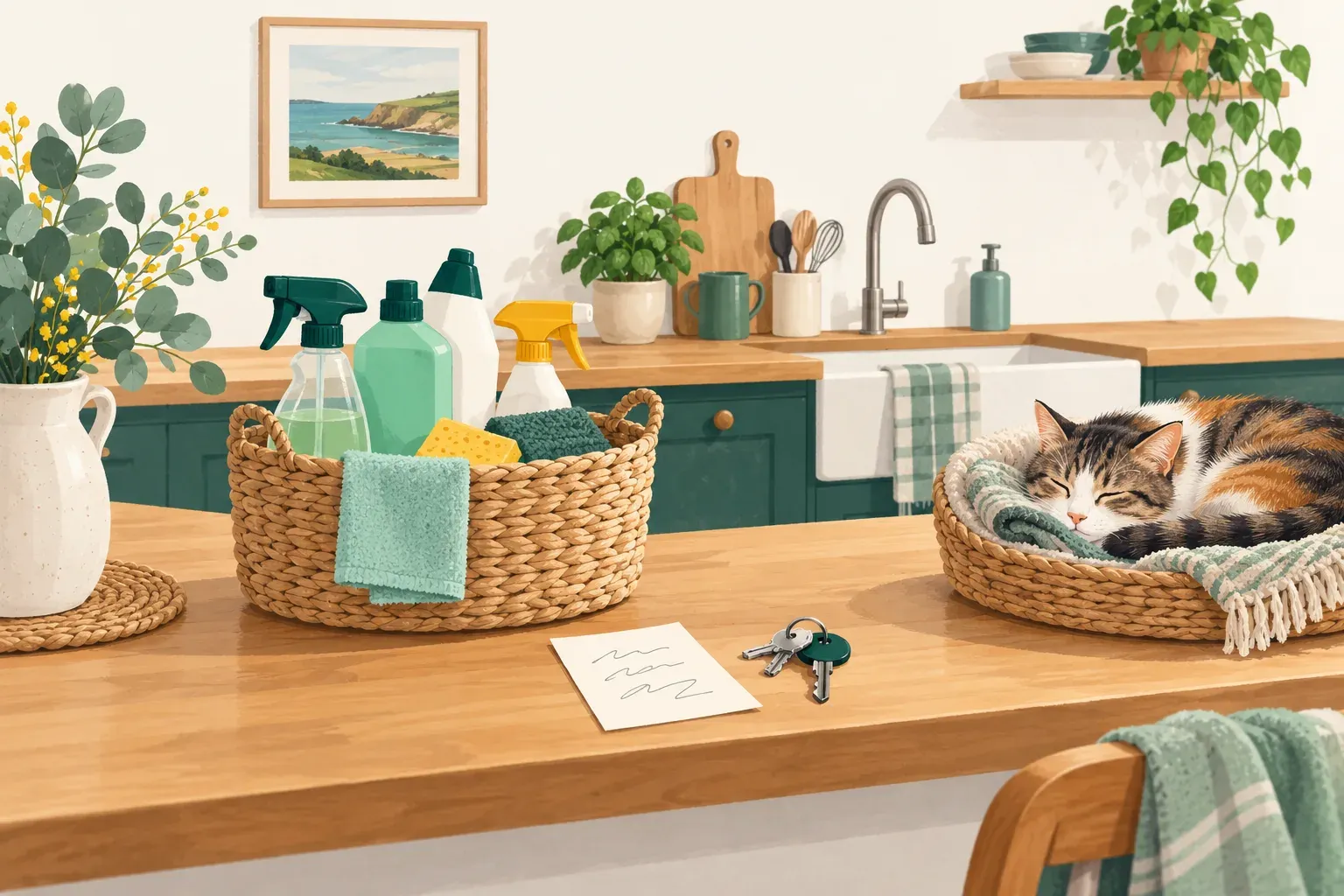
Agree a priority list and who supplies products, sort out access, settle pets, put valuables and private things away, and do a quick tidy so the time goes on cleaning. Be home at the start to walk through the home, and give feedback after.
Tax and employment
Domestic Worker Rights in Ireland: A Guide for Household Employers
A cleaner you employ directly has the same core employment rights as any other worker: at least the minimum wage (€14.15 an hour for adults in 2026), written terms, payslips, paid annual leave, public holiday benefits and statutory sick pay.

Employing a Cleaner in Ireland: Tax, PAYE, PRSI and Revenue Rules
If you employ a cleaner directly, you are an employer. You must register with Revenue and run PAYE unless you have only one domestic employee earning under €40 a week, and even then PRSI may be due through a separate scheme.
Renting and moving

Cleaning Before Selling Your House: Photos and Viewings Checklist
Declutter first, then deep clean the kitchen, bathrooms, windows and floors before the photos are taken, and keep a short routine for each viewing. A professional deep clean, windows and carpets can be booked separately if time is short.

Cleaning Between Tenants: A Guide for Irish Landlords
Inspect against the move-in photos, deduct only for dirt or damage beyond normal wear and tear, then clean and check the property against the minimum standards before the next tenant arrives. A professional clean costs roughly €240 to €618 depending on size.
End of Tenancy Cleaning in Ireland: Room by Room Checklist
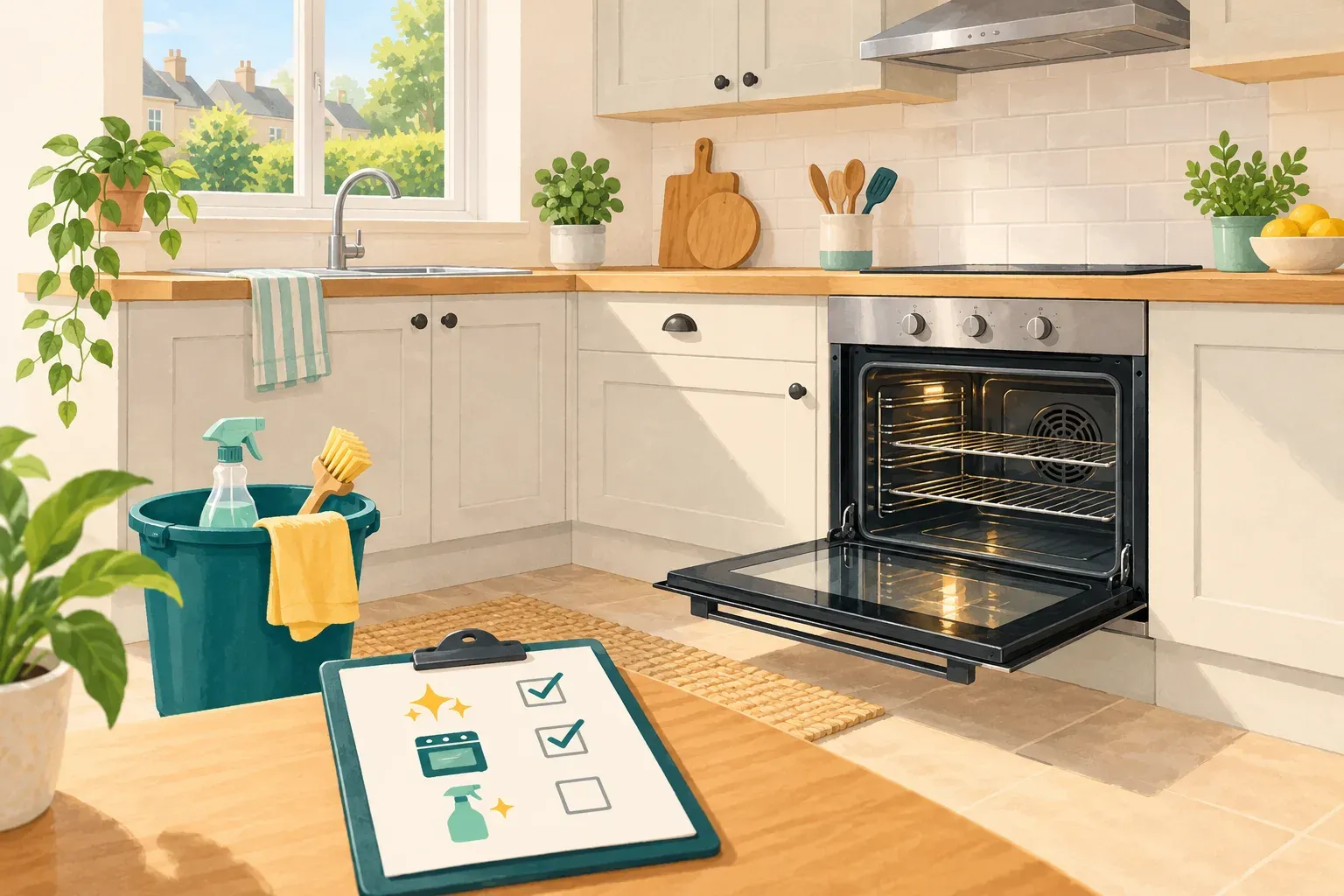
The RTB expects you to leave a rental clean and in a similar condition to when you moved in, allowing for normal wear and tear. You do not have to hire professionals. Use the checklist below and photograph every room when you finish.
Getting Your Deposit Back in Ireland: Cleaning, Deductions and the RTB
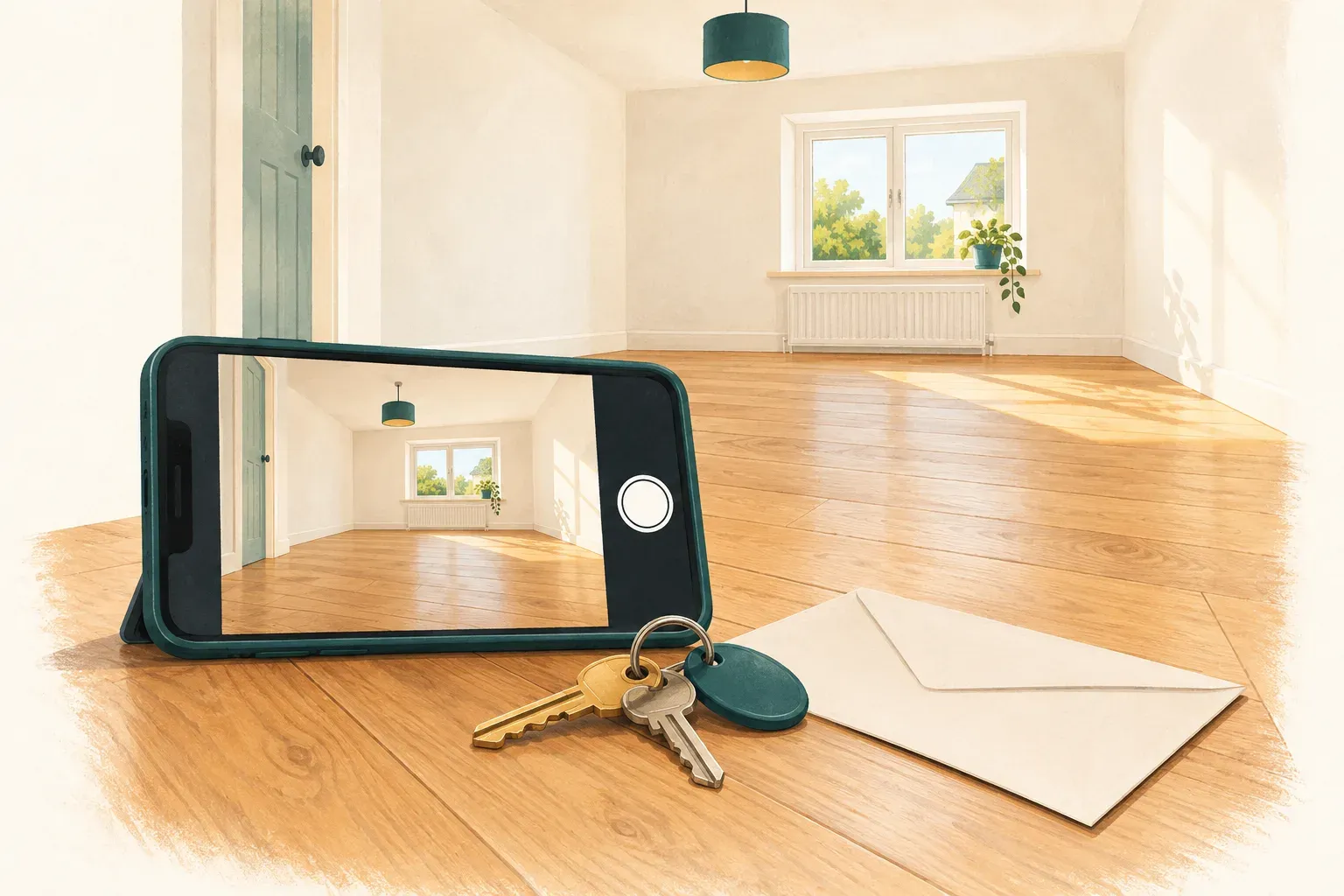
A landlord can only keep part of your deposit for specific reasons, such as arrears, unpaid bills or damage beyond normal wear and tear. Leave the property clean, keep dated photos from move-in and move-out, and use the RTB dispute process if you disagree.
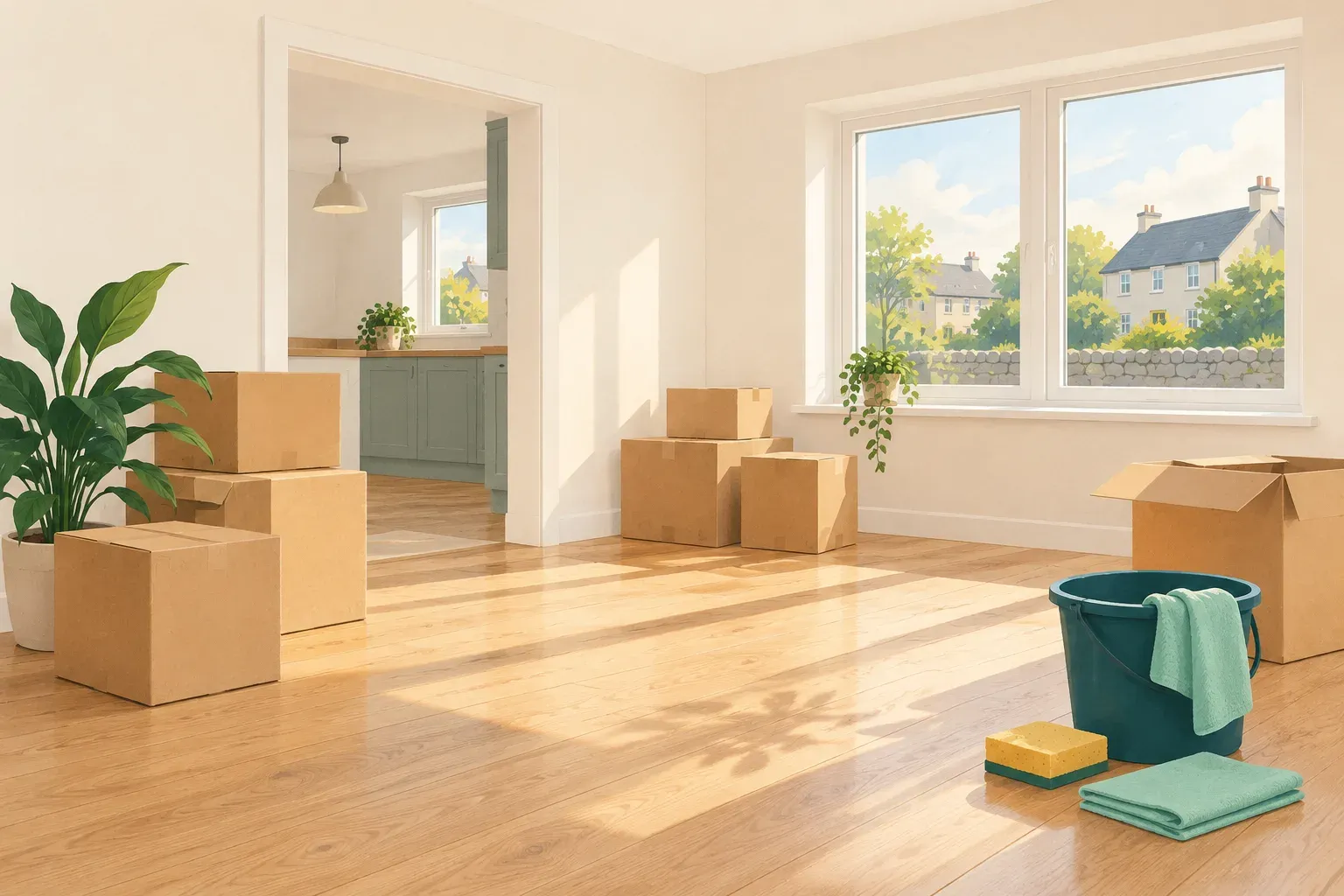
Moving House Cleaning Checklist: What to Clean Before You Move In
Clean a new home before your furniture arrives: inside presses and wardrobes, the fridge, oven, bathrooms and floors. Use the empty house to test smoke and carbon monoxide alarms, check vents, and clear away any chemicals left behind.
Types of clean
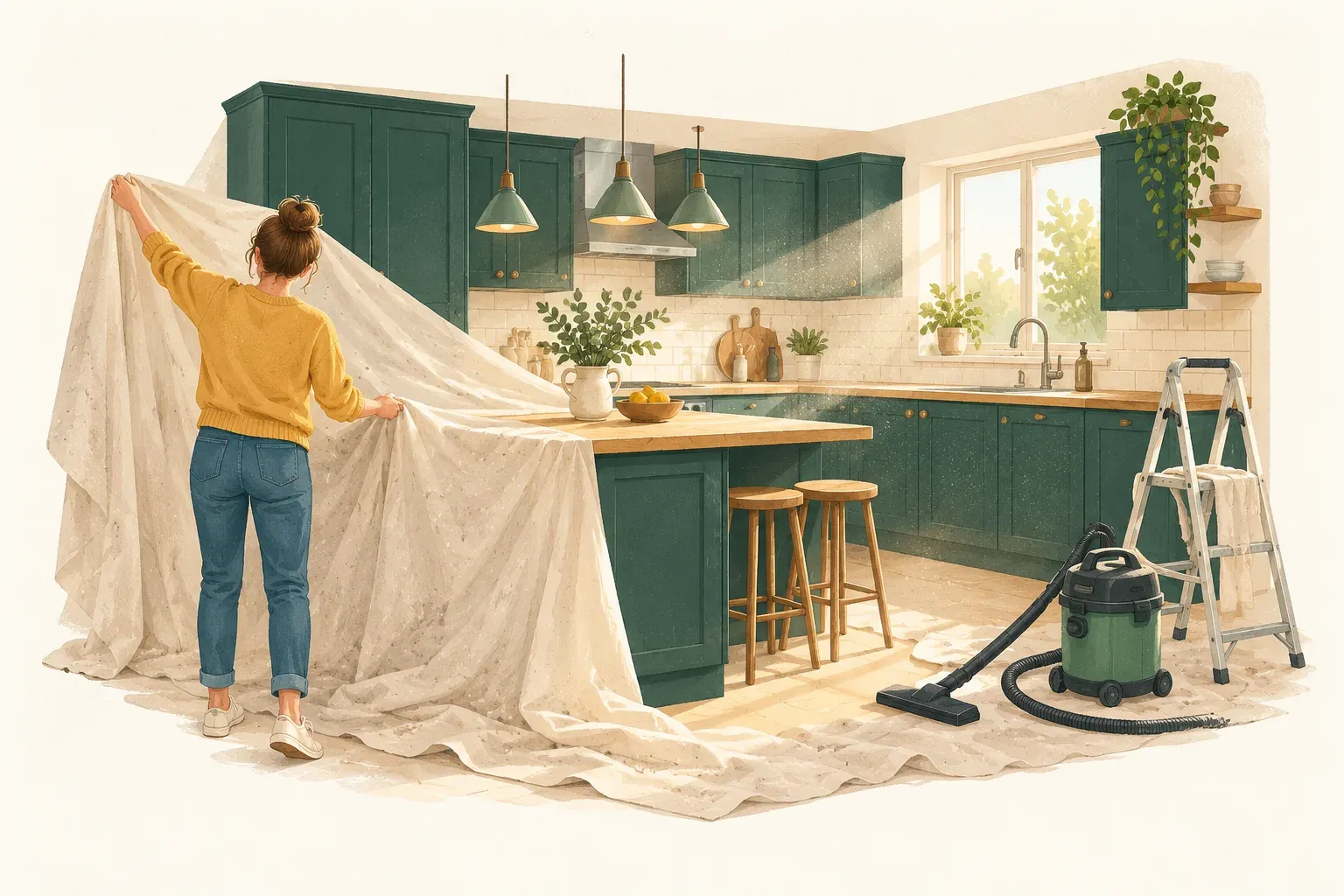
After Builders Cleaning: What It Involves and What to Ask
An after builders clean removes the fine plaster and sanding dust, paint spots, sticker residue and grime that a renovation leaves on every surface. It takes more than one pass, needs care with new finishes, and is best booked once the trades have fully finished.

Airbnb and Holiday Let Cleaning in Ireland: A Turnover Guide
A turnover clean resets a short let to the same standard between guests: strip and remake beds, clean the kitchen and bathrooms, restock, check for damage and safety issues, and report back. Ireland's short-term letting register is scheduled to open on 1 December 2026.
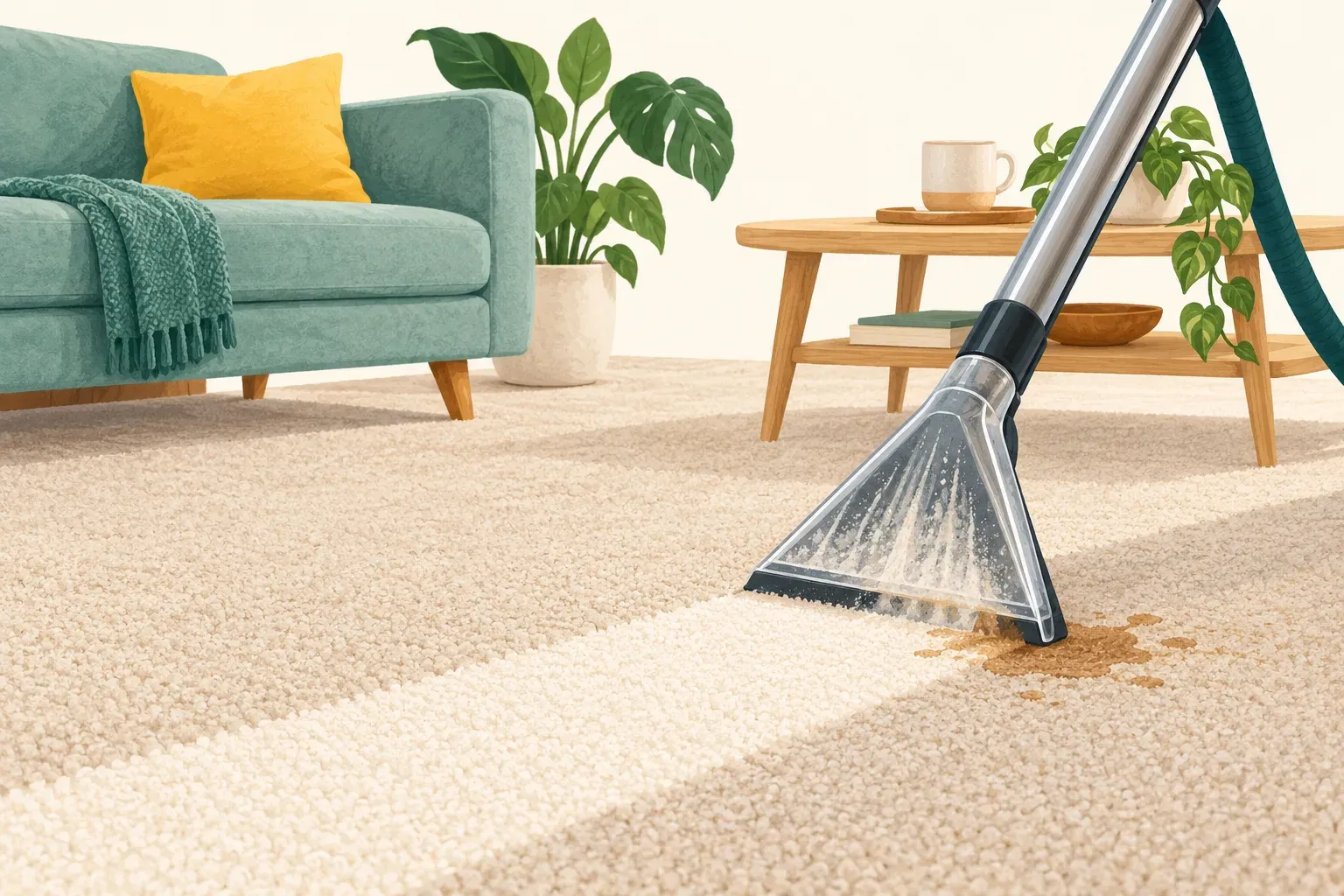
Carpet and Upholstery Cleaning in Ireland: Methods, Prices, Stains
Professional carpet cleaning was advertised at about €30 to €60 a room in October 2026, usually by hot water extraction. Drying time depends on the method, airflow and heating, so ask before you book. Blot stains quickly, never rub, and test any product on a hidden patch first.
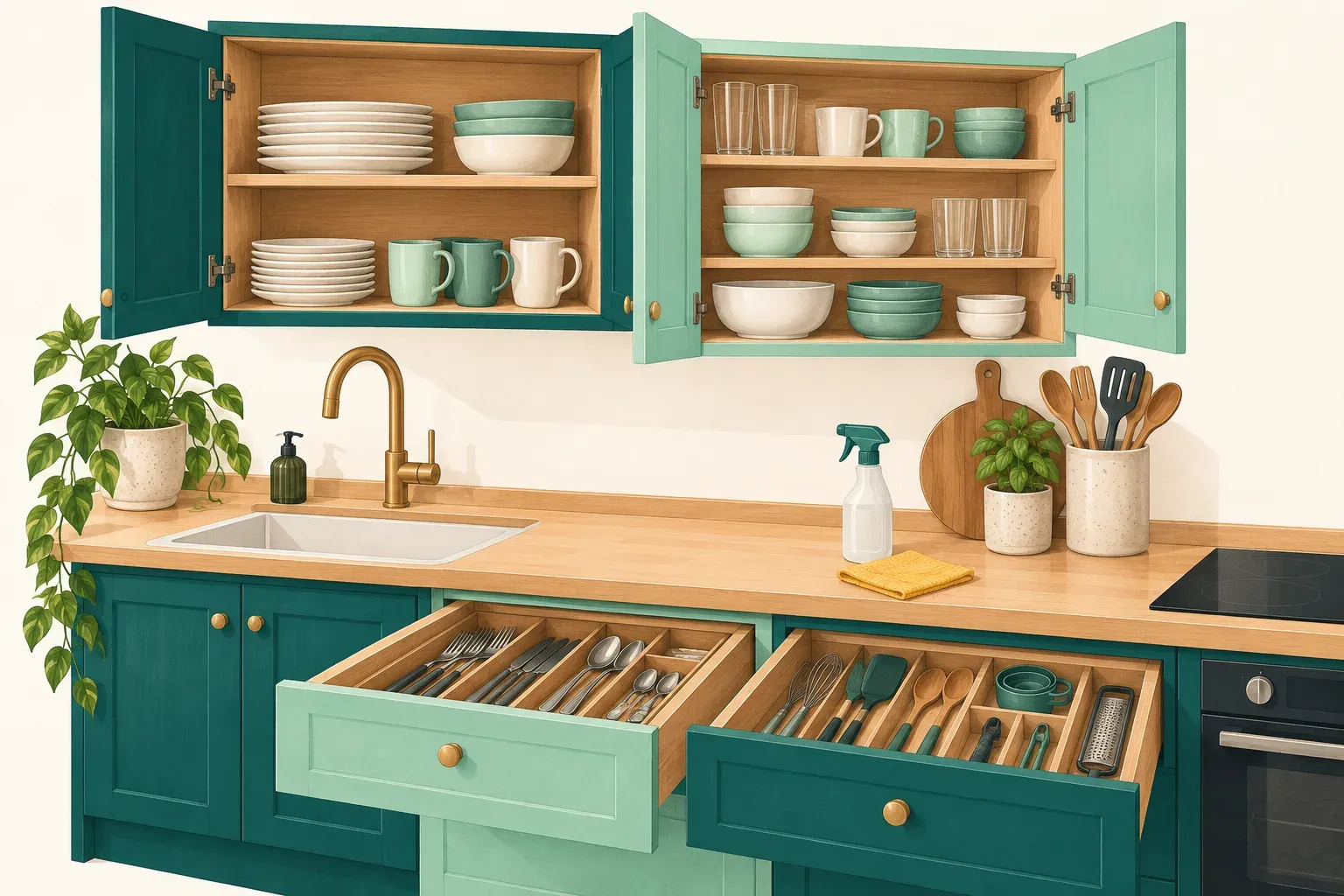
Deep Cleaning Checklist: Room by Room for Irish Homes
A deep clean reaches what regular cleaning skips: inside presses and appliances, behind furniture, skirting, doors, switches, limescale and grout. Work top to bottom and dry before wet, one room at a time, and never mix cleaning products.
How Long Does a House Clean Take? What 2, 3 or 4 Hours Covers
It depends on size, condition and what you ask for, so think in priorities rather than promises. Short visits suit kitchens, bathrooms and floors in a well-kept home; longer ones add dusting, extras and bigger homes. Two cleaners for three hours is six cleaner-hours.
How Often Should You Get a Cleaner? Weekly, Fortnightly or Monthly
Fortnightly suits most busy households: it keeps kitchens, bathrooms and floors under control at half the cost of weekly. Weekly suits families, pet owners and allergy sufferers; monthly works for small, tidy homes or as a deep-clean top-up.
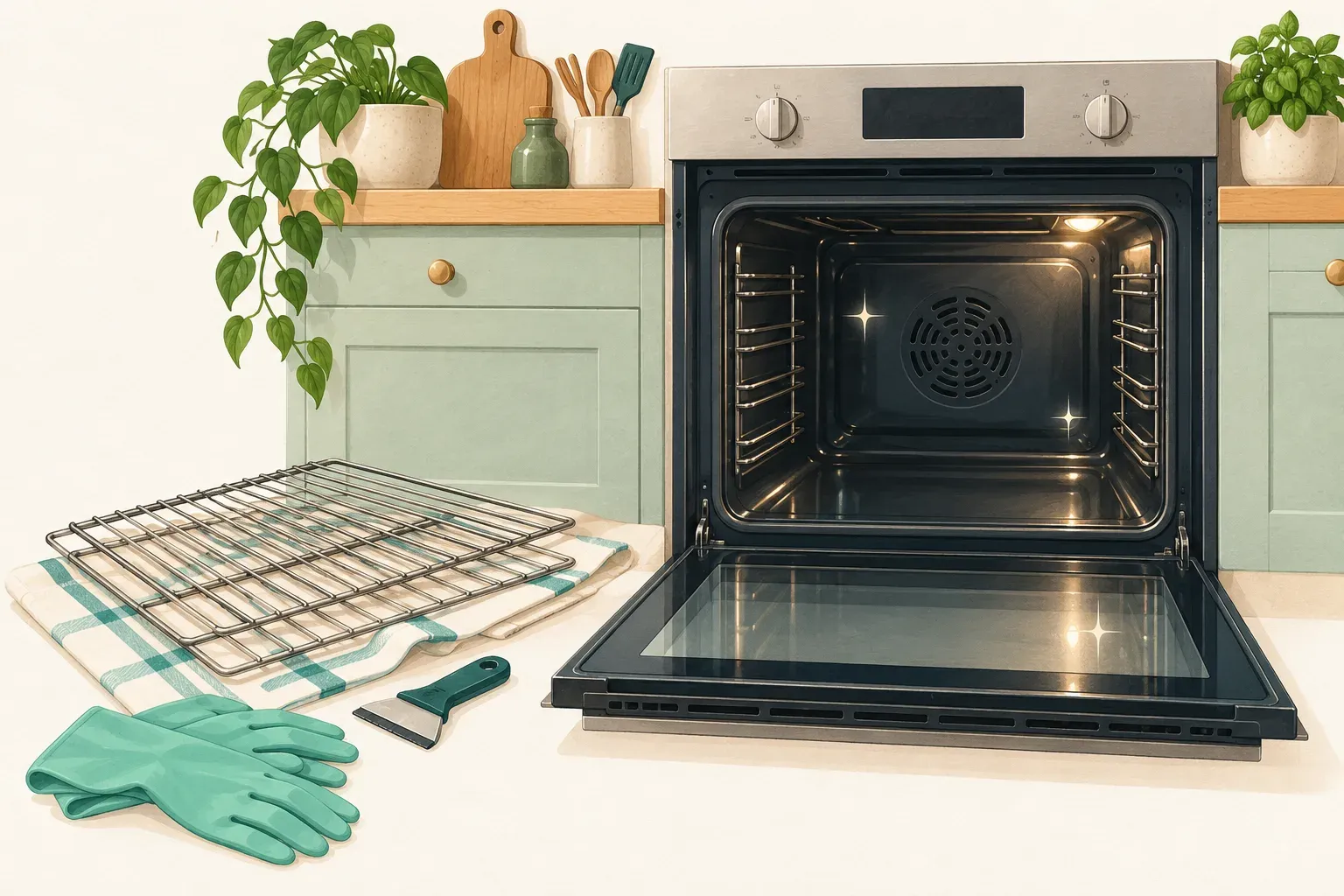
Oven Cleaning in Ireland: Professional vs DIY, Prices and Tips
Professional oven cleaning in Ireland was advertised at about €55 to €80 for a single oven and €65 to €100 for a double in October 2026. A light DIY clean with bicarbonate of soda works for regular upkeep; heavy carbon, range cookers and moving out are where a specialist earns the fee.
What Does a Regular House Clean Include? (And What Costs Extra)
A regular clean covers kitchen surfaces, the sink and hob, bathrooms and toilets, hoovering and mopping, reachable dusting and bins. Inside the oven, fridge and presses, walls, windows and carpet shampooing are usually extras, so agree a written list first.
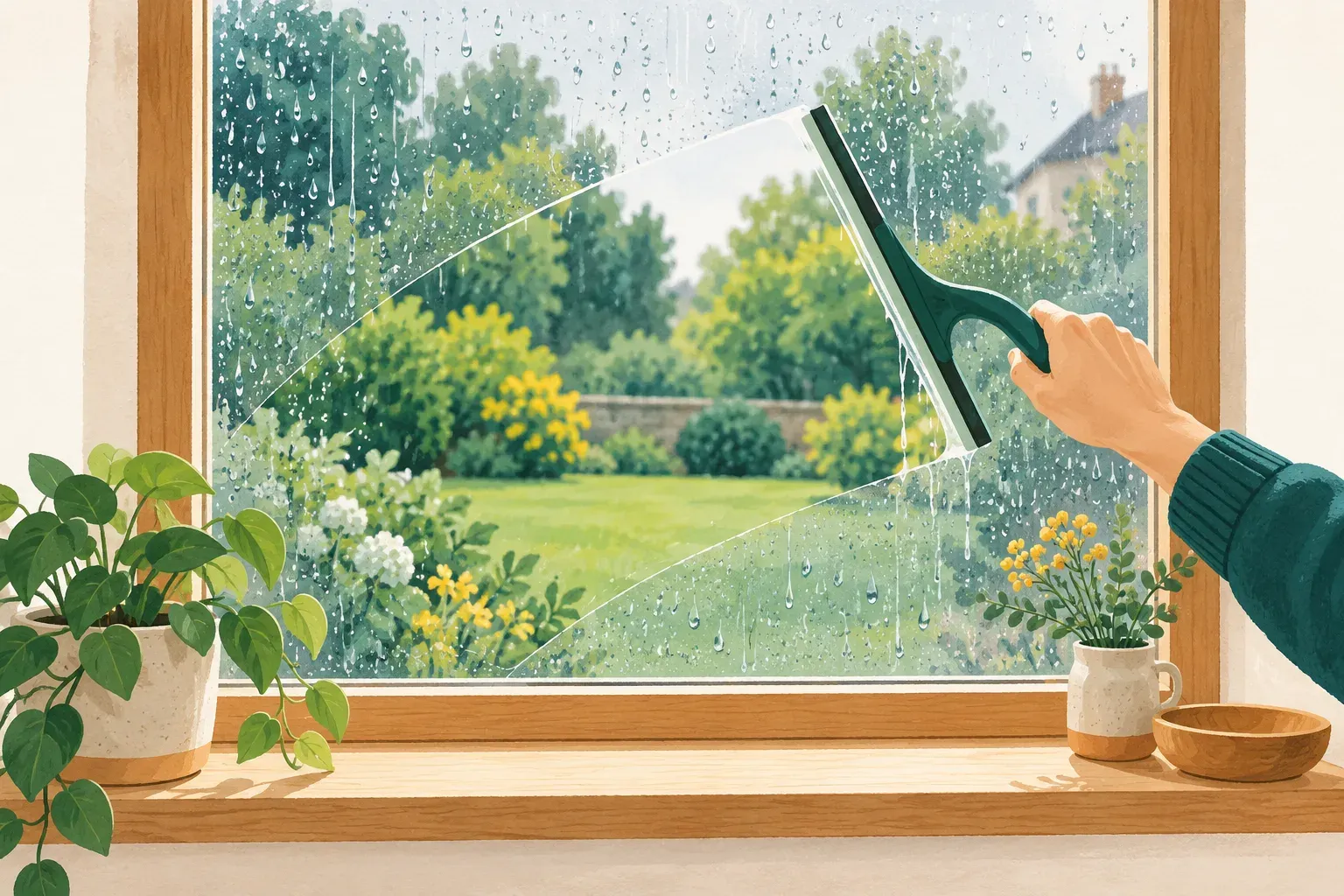
Window Cleaning in Ireland: Prices, Frequency and Safety
Outside window cleaning for a typical three-bed semi was advertised from about €35 to €47 a visit on a regular round in October 2026, and around €70 for a once-off clean. Regular rounds cost less per visit, and water-fed poles reach upstairs windows from the ground.
Home care and health
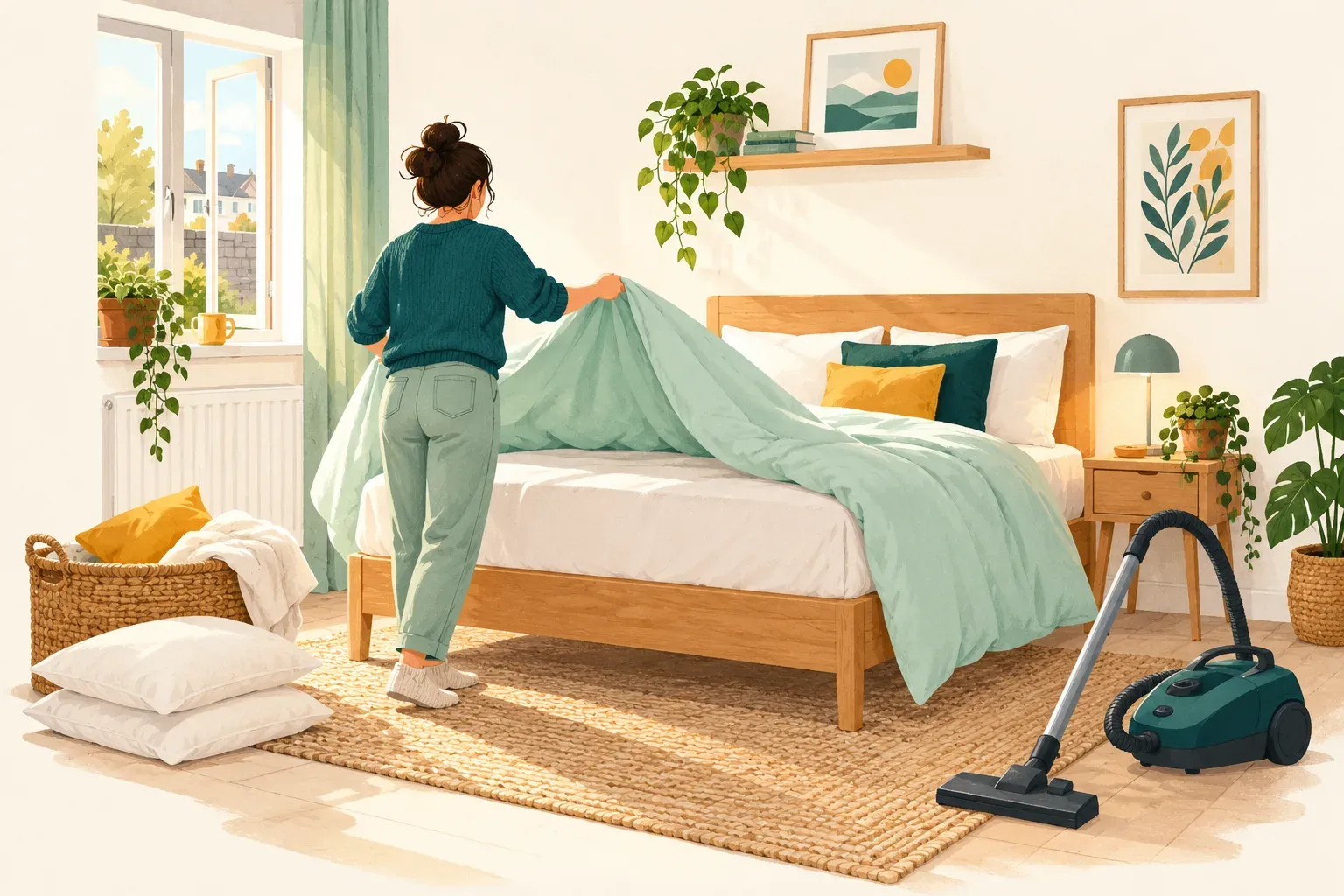
Cleaning for Dust Mite Allergies and Asthma: An Irish Guide
The HSE recommends washing bedclothes at 60°C every week, damp-dusting weekly and using allergy-proof bedding covers. The Asthma Society of Ireland adds frequent hoovering with a HEPA-filter vacuum, fewer carpets and soft toys where possible, and controlling damp and mould.
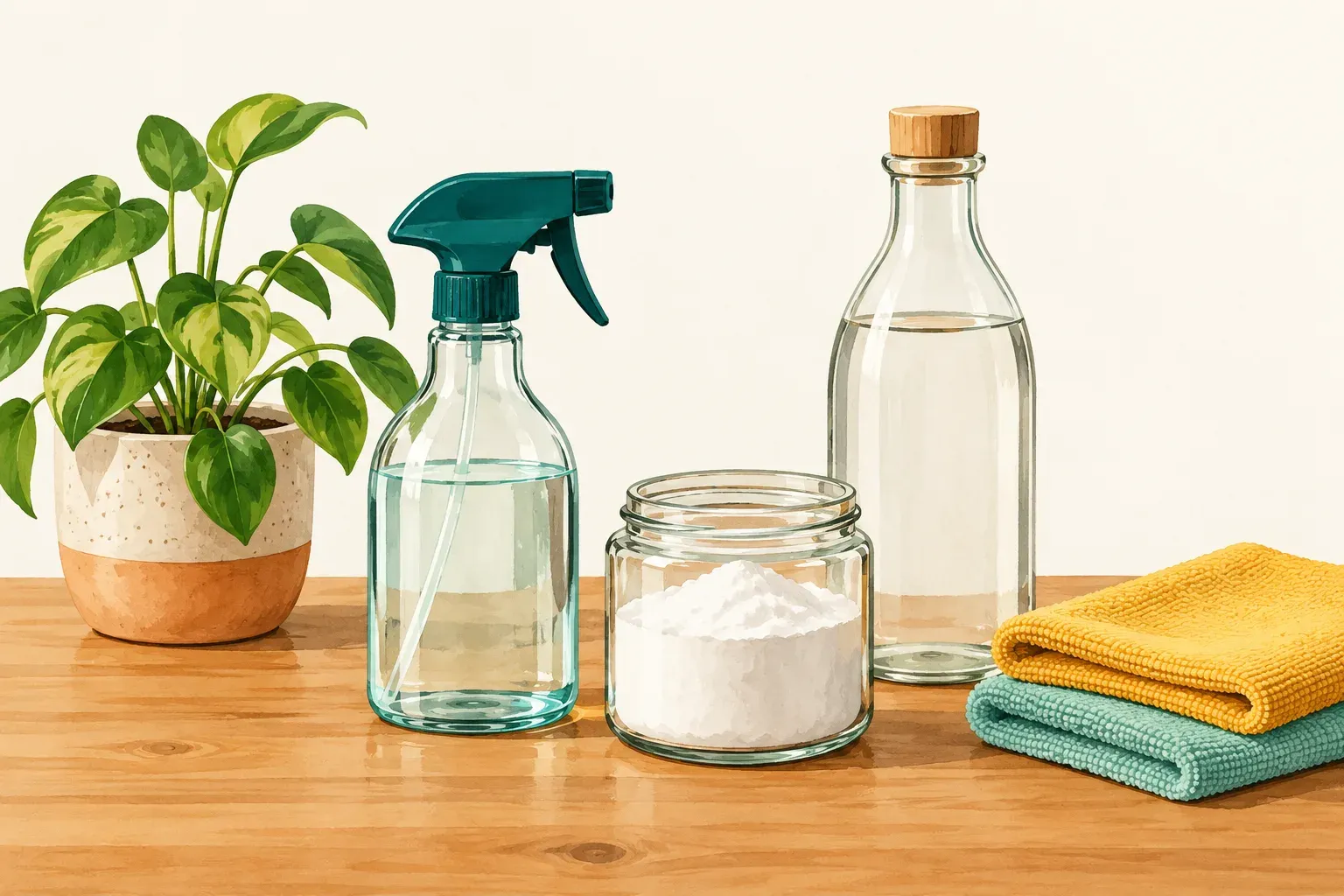
Eco-Friendly Cleaning in Ireland: What Works and What to Avoid
Greener cleaning mostly means using fewer, better products: EU Ecolabel cleaners, reusable microfibre cloths, and vinegar or bicarbonate of soda only where they suit the surface. Never mix vinegar with bleach, and take unwanted chemicals to a civic amenity site rather than the drain.
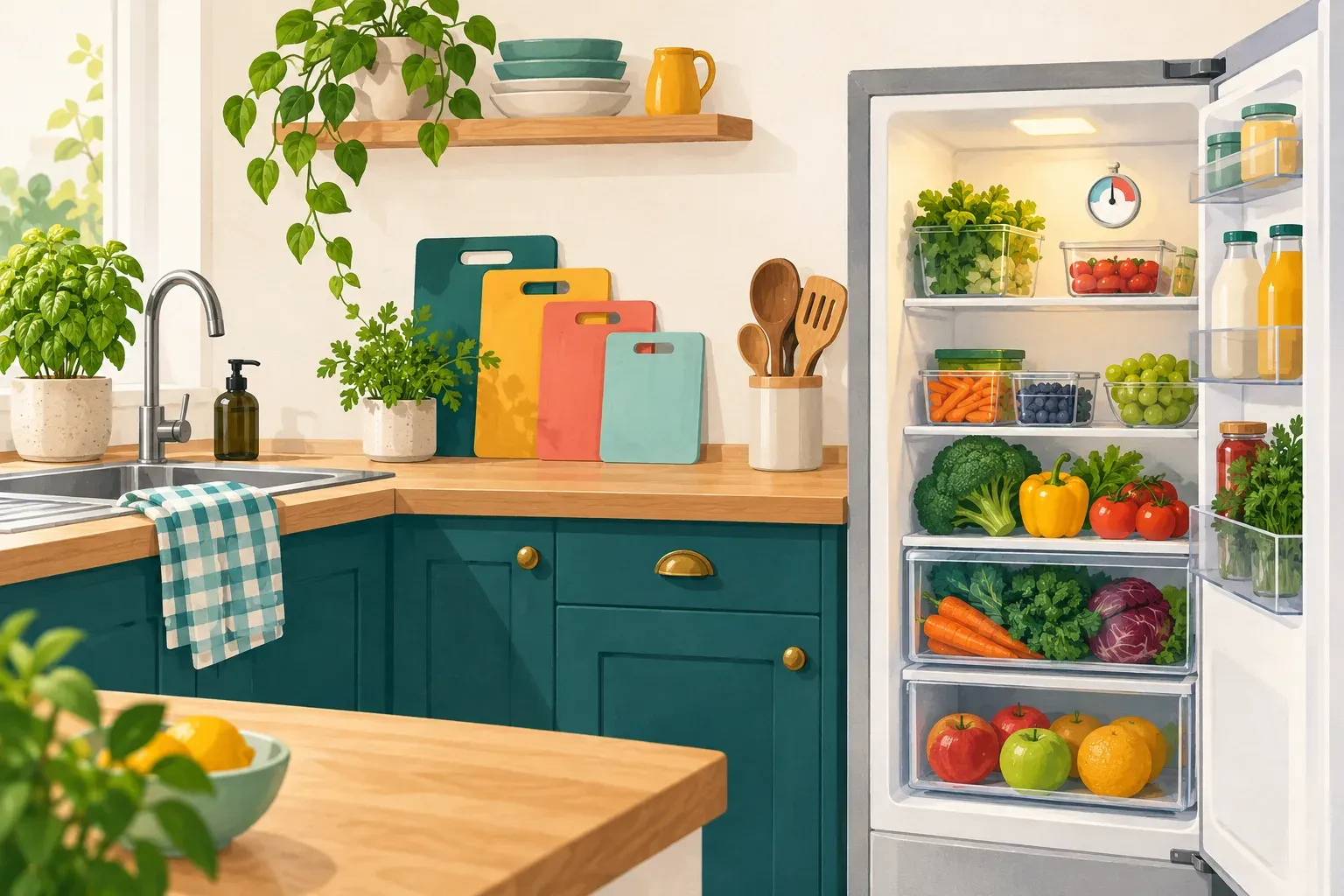
Kitchen Hygiene: Cleaning Boards, Cloths and Fridges Safely
Scrub chopping boards in hot soapy water after every use, keep separate boards for raw meat, clean or replace dishcloths and sponges at least every two days, and keep the fridge at 5°C or below, checked with a thermometer. Wash hands for at least 20 seconds.
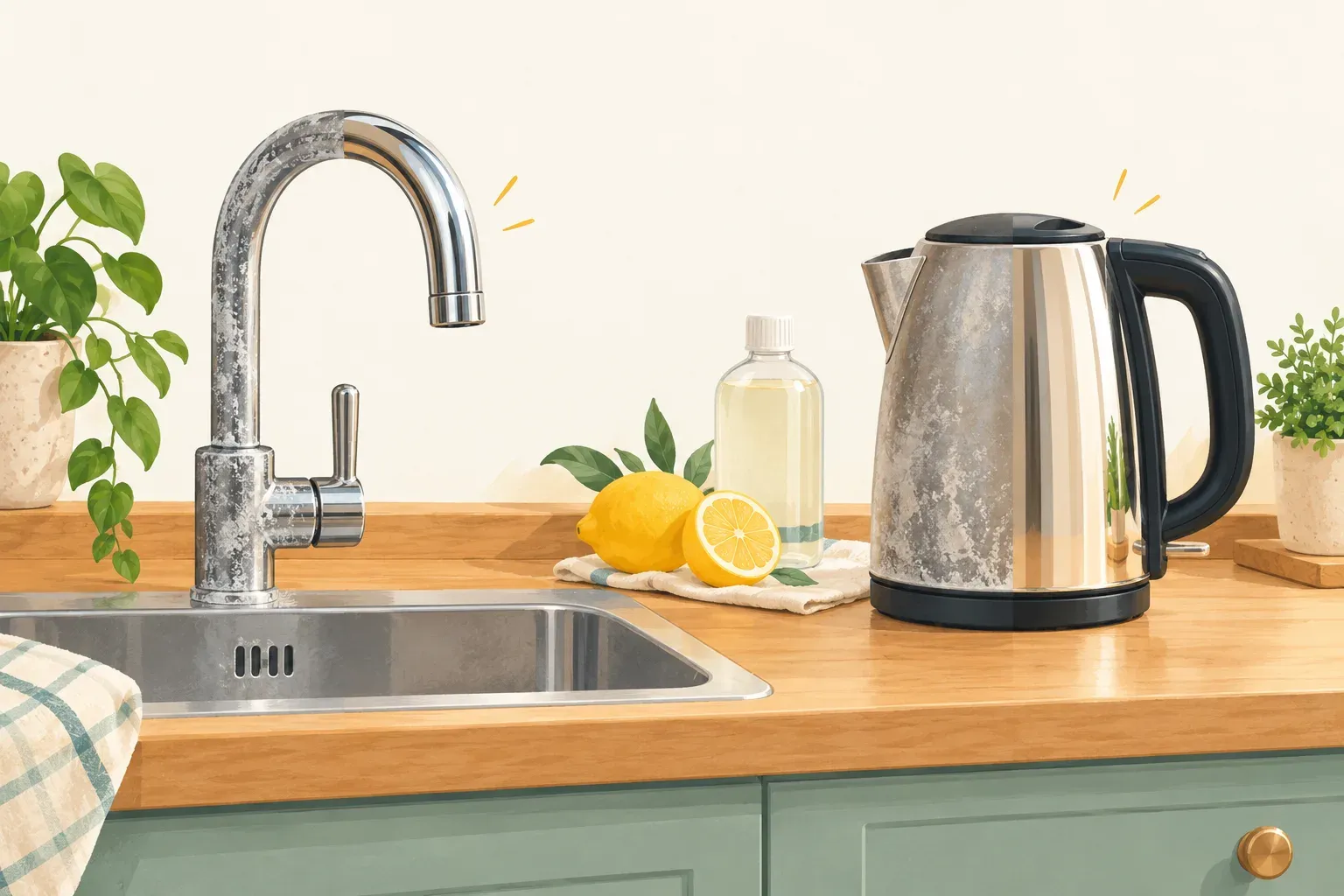
Limescale and Hard Water in Ireland: How to Descale Safely
Limescale forms when hard water is heated or evaporates, and hardness varies by water supply zone across Ireland, so check yours with the Uisce Éireann checker. Descale little and often with a suitable descaler or vinegar where the surface allows, and never mix an acid descaler with bleach.
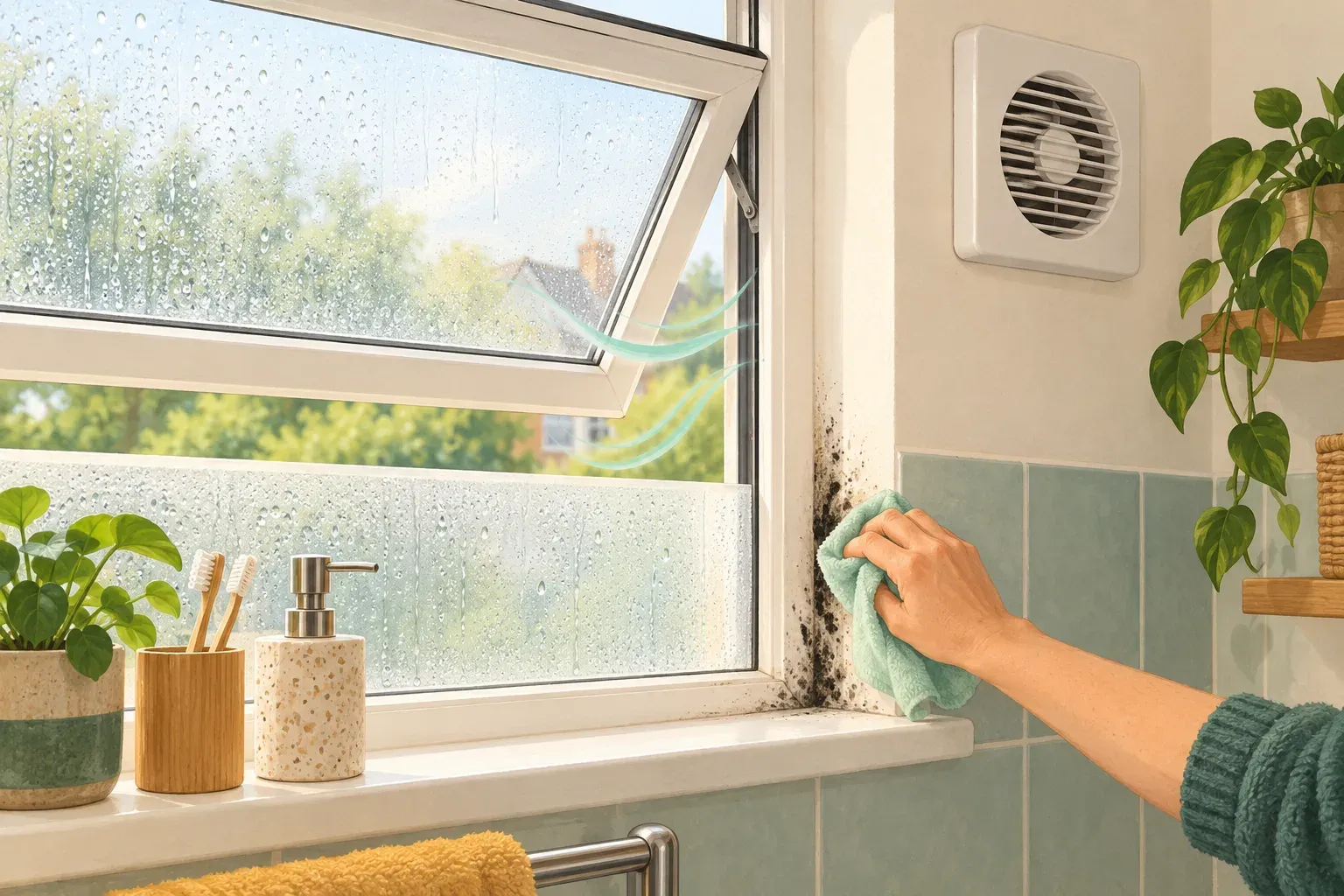
Mould and Damp in Irish Homes: How to Clean It Safely
Small patches of mould on hard surfaces can be cleaned with a suitable mould cleaner, gloves, eye protection and good ventilation, then dried completely. Large areas, hidden mould or unclear causes need a professional, and mould returns unless the moisture source is fixed. Rented homes must be free from damp.
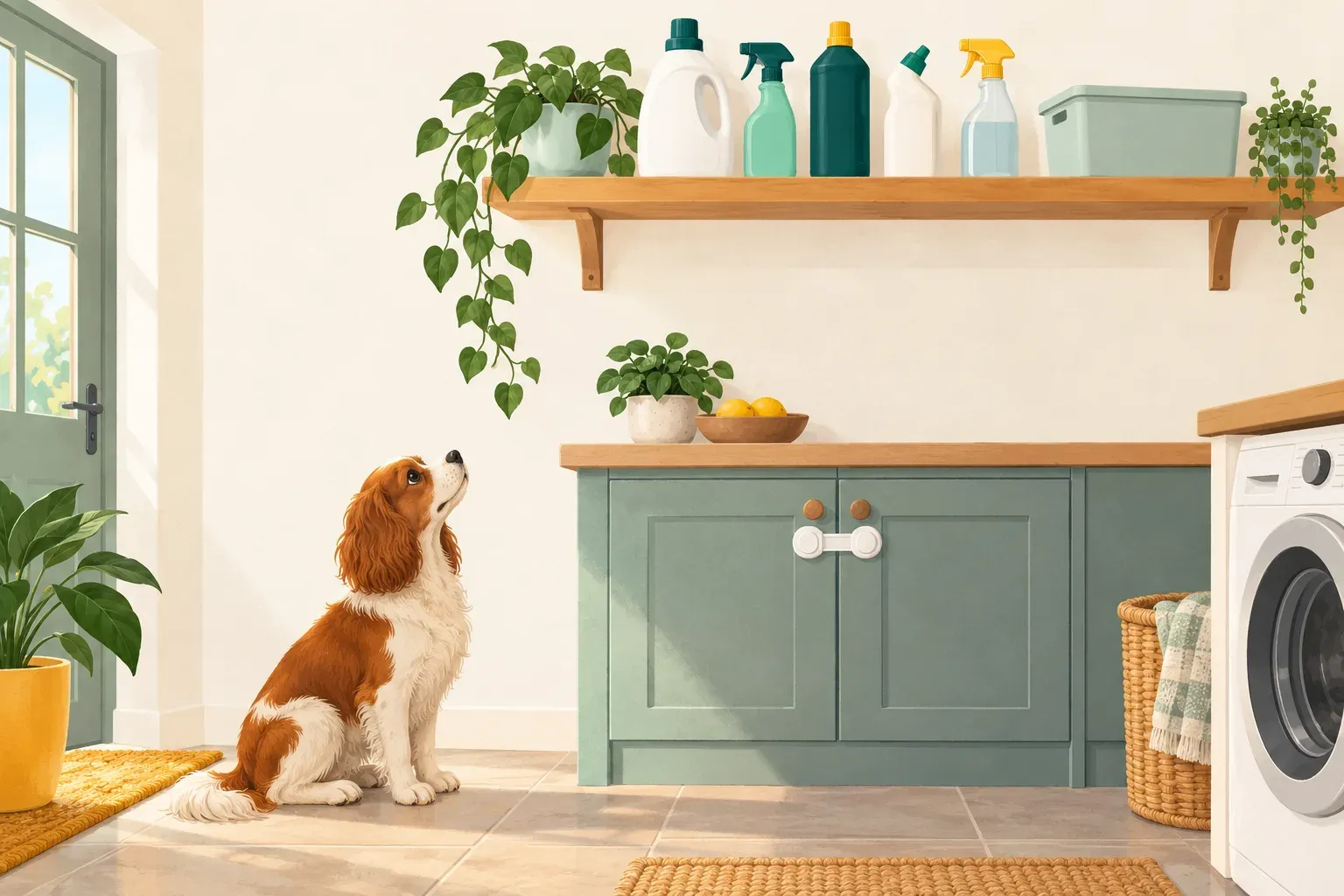
Safe Cleaning Products Around Children and Pets in Ireland
Keep cleaning products in their original labelled containers, locked away out of children's sight and reach, and never mix them: bleach with ammonia or acids gives off toxic gas. For advice, ring the Poisons Information Line on 01 809 2166 (8am to 10pm daily). For pets, contact a vet.
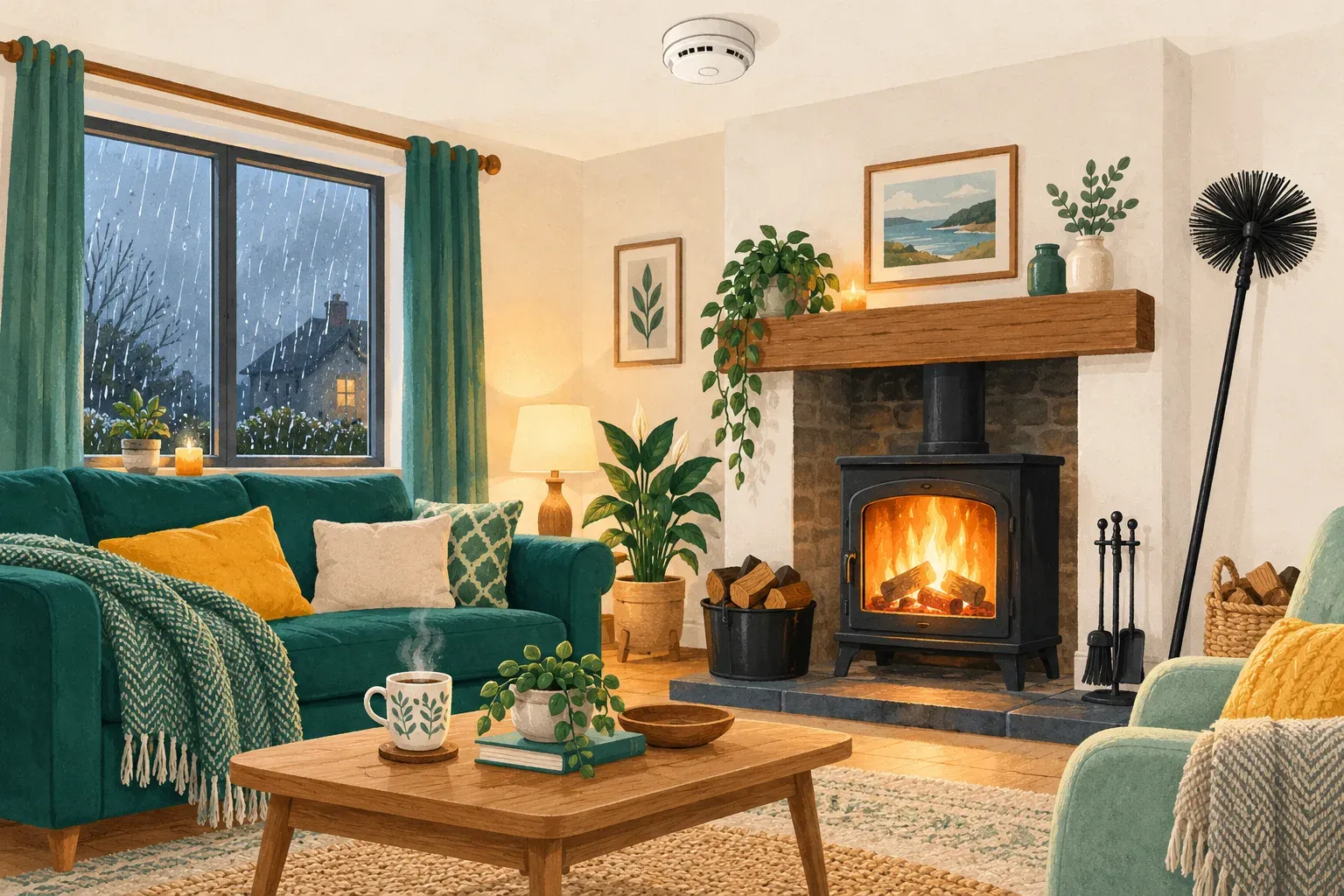
Winter Home Checklist for Ireland: Chimneys, Alarms, Gutters, Damp
Before winter, get the chimney swept, test smoke and carbon monoxide alarms, clear gutters and downpipes, and set up good habits against condensation. Sweep at least once a year before the heating season, and more often for some fuels and stoves.