Cleaner Insurance in Ireland: Who Is Covered If Something Goes Wrong?
Published 29 October 2026 · 4 min read
Short answer
If you use a company or self-employed cleaner, their public liability policy should cover damage or injury to others. If you employ a cleaner directly, check whether your home insurance covers domestic employees, because many policies have conditions and exclusions.
It depends on who you hire. A cleaning company or self-employed cleaner should have their own public liability insurance to cover injury or damage to others, including your property. If you employ a cleaner directly, you are the employer, and you need to check whether your home insurance covers domestic employees.
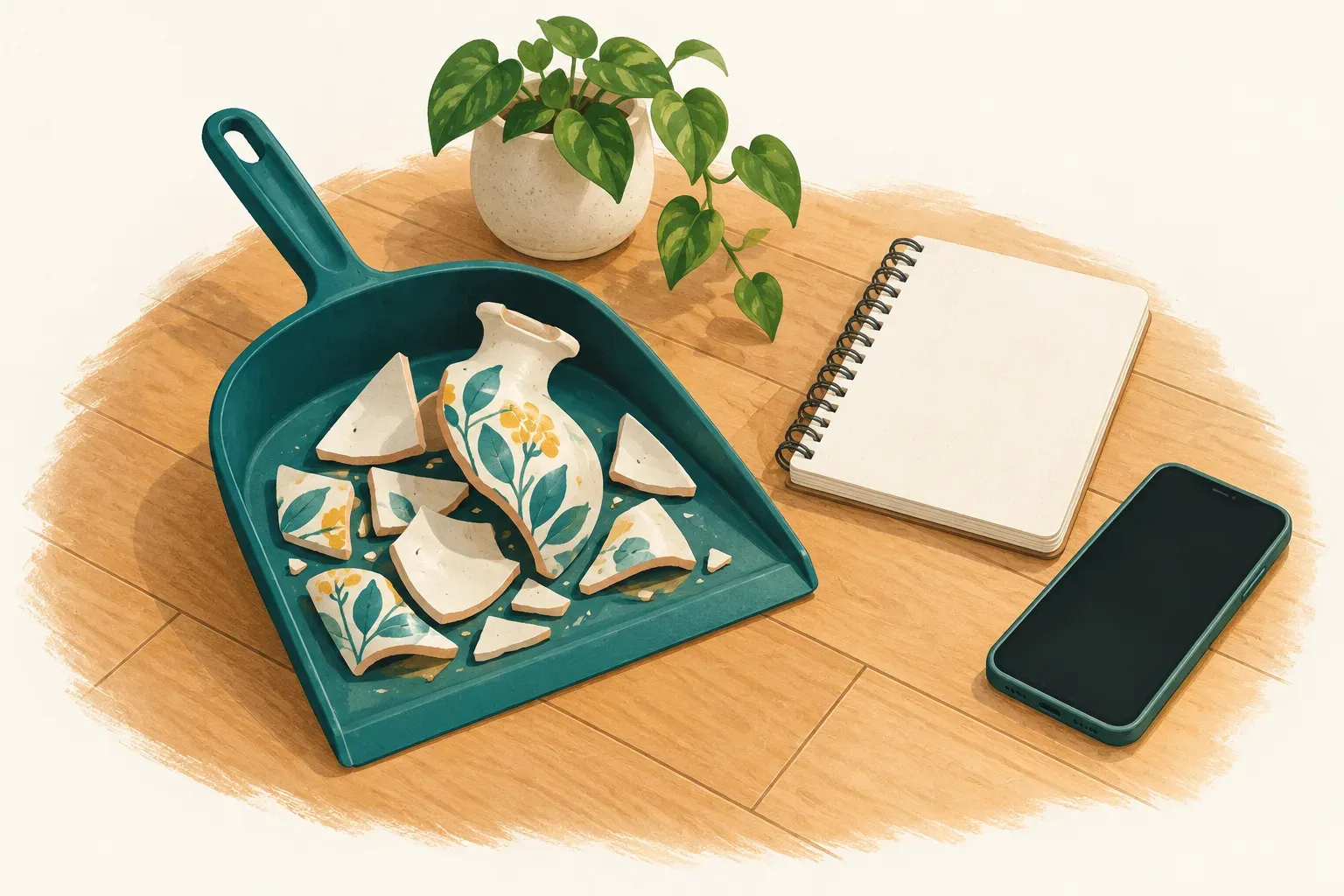
Most of the time nothing goes wrong. But a slip on a wet floor or a broken heirloom is exactly when you find out what everyone's policy actually says, so it is worth checking before the first visit.
The three types of cover that matter
| Type of cover | Who holds it | What it is for |
|---|---|---|
| Public liability | The cleaning company or self-employed cleaner | Injury to third parties or damage to their property, such as your home and belongings |
| Employers' liability | A business that employs staff | Claims from its own employees who are injured at work |
| Domestic-employee liability (part of some home policies) | You, the householder | Your legal liability if a cleaner you employ is injured in your home |
Public liability and employers' liability are separate things. A company that says it is "fully insured" may have one and not the other, so ask which.
If you use a cleaning company
The company employs the cleaner, so injuries to its staff are a matter for the company and its employers' liability cover. Damage to your home or belongings would normally go to its public liability cover.
Ask for evidence of current cover before the first visit, and check:
- The policy is in date
- The business name on the policy matches the company you are hiring
- It includes public liability, and employers' liability if the company has staff
- Who you should contact if something is damaged
For context, a broker reports that cleaning contracts commonly require €6.5 million public liability and €13 million employers' liability. These are requirements set by the clients who hire cleaning contractors, not legal minimums, so do not expect every small domestic cleaning business to match them.
If you hire a self-employed cleaner
A genuinely self-employed cleaner is running their own business. They may hold public liability cover; many smaller operators do not. Ask directly.
Your own home policy may not help here. Allianz, for example, excludes independent contractors from its domestic-employee cover. So if a self-employed cleaner without their own insurance is injured or causes damage, the position can be unclear.
That is one reason employment status matters. Revenue looks at the real relationship, including control, personal service and whether the person runs their own business, rather than what it is called. If your "self-employed" cleaner works only for you on your terms, they may in fact be your employee, which changes which cover is relevant. Our guide to cleaning companies vs independent cleaners covers this in more detail.
If you employ a cleaner directly
If you hire someone under a contract of employment, you are an employer. In that case, the question is whether your home insurance includes liability to domestic employees.
Some policies do. Allianz's household policy wording includes liability to domestic employees, such as cleaners, for death, accidental bodily injury or illness, up to €3 million including costs. AA/AXA's March 2026 wording provides domestic-employee liability cover only where contents insurance is held, also with a €3 million limit.
Two points to keep in mind:
- This is liability cover, not automatic compensation. It responds if you are legally liable for the injury, not every time someone has an accident in your home.
- Policies differ. The two examples above have different conditions. Yours may have others, or none.
Employers' liability insurance is not generally compulsory in the Republic, but liability can arise without it. If you are an employer and your home policy does not cover domestic employees, talk to your insurer or a broker.
Employing someone also brings tax and employment duties. See employing a cleaner: tax in Ireland and domestic worker rights.
Questions to ask your insurer
Ring your insurer, or check your policy booklet, with these:
- Does my policy include liability to domestic employees?
- Does it depend on having contents cover?
- What is the limit, and what is excluded?
- Are self-employed cleaners or contractors covered, or excluded?
- Do I need to tell you that I have a cleaner?
- If my cleaner accidentally damages my belongings, does my contents cover respond?
- Does having someone with a key affect a theft claim in any way?
Allianz's own guidance suggests confirming domestic-employee cover, limits, exclusions and any notification requirement with your insurer. The answers do not take long to get and are worth keeping with your policy documents.
Questions to ask the cleaner or company
- Do you have public liability insurance? Can I see evidence of it?
- If you employ staff, do you have employers' liability cover?
- What do you do if you damage something in a client's home?
- Is the person coming to my home covered by your policy?
These sit alongside the rest of the 20 questions to ask a cleaner.
If something does go wrong
Photograph any damage, write down what happened while it is fresh, and tell the cleaner or company in writing. If you bought the service from a business, the CCPC says it must be provided with reasonable care and skill. If you employ the cleaner, the WRC code of practice notes that deductions for breakages must comply with wage legislation, so you cannot simply dock their pay.
Our guide to what to do if your cleaner broke something walks through each step. When you are ready to hire, browse house cleaners by county.
Questions people ask
Does my home insurance cover my cleaner?
It might, but only in specific ways. Some home policies include liability to domestic employees, often only if you hold contents cover, and some exclude independent contractors. Ring your insurer and ask about your exact policy.
Is it a legal requirement for a cleaner to have insurance?
Employers' liability insurance is not generally compulsory in the Republic of Ireland, and figures quoted in contracts are requirements set by the client, not legal minimums. Liability can still arise without insurance, which is why it matters.
What should I ask a cleaning company to show me?
Ask for evidence of current public liability cover, and employers' liability cover if it employs staff. Check the policy is in date and that the business name matches the company you are hiring.
Who pays if my cleaner breaks something valuable?
With a company or self-employed cleaner, start with them and their insurer. If you employ the cleaner directly, any deduction from wages for breakages must follow wage law, so talk to your own insurer first.